What Consumers Should Look for on Labels When Buying Glutathione Supplements
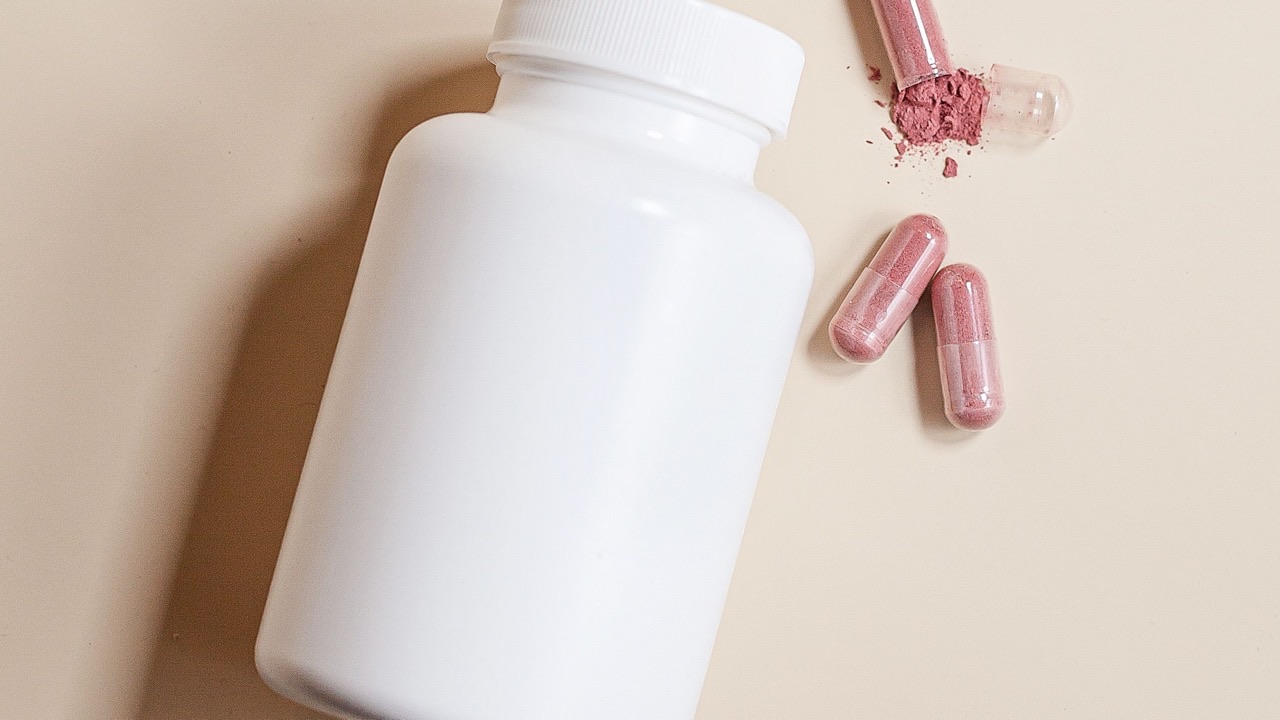
Supplement shopping for glutathione has gotten more complicated as the market has grown. A decade ago, the options were limited and the differences between products were relatively minor. Now there are dozens of brands, multiple delivery formats, wildly different price points, and marketing language that ranges from carefully worded to outright misleading. Knowing what to look for on the label — and what to be skeptical about — makes it easier to find a product that’s likely to do what you’re paying for.
This isn’t a guide to whether glutathione supplementation is right for you as a health decision; that’s a question for a doctor or pharmacist who knows your specific situation. It’s a guide to evaluating what’s actually in the bottle once you’ve decided to try it.
Start with the form of glutathione
Not all glutathione on a supplement label is the same. The form matters because it affects how well the ingredient is absorbed and retained in the body.
Reduced glutathione (L-glutathione, listed as “glutathione” or “reduced glutathione” on labels) is the active form — the tripeptide molecule that functions as an antioxidant in the body. This is what most glutathione supplements contain, and it’s the form that has been studied in the bioavailability research.
S-acetyl glutathione is a modified form where an acetyl group protects the molecule from degradation in the GI tract, potentially improving absorption. Some research suggests better stability and absorption compared to standard L-glutathione, though the data is still developing.
Setria is a branded form of L-glutathione manufactured by Kyowa Hakko, a Japanese fermentation company. Products that specify Setria are using material that has been tested in clinical trials for bioavailability and efficacy, which gives you more confidence in the underlying research basis than an unspecified “glutathione” listing.
Oxidized glutathione (GSSG) is a different molecule — the spent form after glutathione has done its antioxidant work. You want reduced glutathione, not oxidized. Most reputable products specify “reduced” or use a branded ingredient that is explicitly the reduced form, but it’s worth checking.
The delivery format and what it signals
How a glutathione supplement is delivered affects how much of it actually reaches your bloodstream in usable form.
Standard capsules and tablets are the most common and least expensive format. They pass through the digestive system, and some portion of the glutathione may be broken down before absorption. Whether this matters enough to justify paying more for a different format is a legitimate debate, and the answer probably depends on your dose, your individual digestive chemistry, and what you’re trying to achieve.
Liposomal glutathione wraps the ingredient in lipid vesicles to protect it from GI degradation and improve absorption through the intestinal wall. Liposomal products typically cost more and are sold in liquid or soft gel formats rather than hard capsules. The bioavailability evidence for liposomal glutathione is more favorable than for standard oral glutathione, so the price premium has some scientific basis — though the magnitude of the difference in practical terms varies.
Sublingual products — strips, tablets, or drops that absorb under the tongue — bypass the digestive system by absorbing through the mucous membranes in the mouth. They tend to be fast-absorbing and bypass the GI degradation issue, though the total dose delivered is smaller.
If a product makes a big deal of its delivery technology, it’s worth checking whether there’s actual published data supporting the bioavailability claims, or whether the format is just a marketing differentiator.
Dose: what the label lists and what it means
The dose per serving listed on the supplement facts panel tells you how much glutathione is in each serving, but it doesn’t tell you how much of that ends up in your tissues. Doses in commercial glutathione supplements range from around 100mg to 1000mg per serving, with most products falling between 250mg and 500mg.
Higher dose isn’t automatically better — and it’s definitely not better if you’re paying for a high-dose product in a format with poor absorption. A 500mg dose in a liposomal format may deliver more usable glutathione than a 1000mg dose in a standard capsule, depending on the specific products and your individual absorption.
The research supporting glutathione supplementation for general wellness has used doses in the 250–500mg range, mostly in liposomal or specialized delivery formats. If a product claims dramatic effects from a tiny dose (say, 50mg), or makes claims that would require delivering glutathione levels that aren’t achievable orally, the marketing is ahead of the evidence.
Third-party testing and certification
This is arguably the most important thing to look for on any supplement label, and it’s something consumers frequently overlook in favor of brand marketing.
Third-party testing means an independent laboratory has tested the actual product — not the raw materials, not a batch from a year ago, but the product you’re buying — and verified that it contains what the label says, at the levels the label claims, without significant levels of contaminants.
Look for certification marks from recognized third-party organizations: NSF International, USP (United States Pharmacopeia), Informed Sport, or ConsumerLab. These marks on the label mean the product has passed testing against their standards. Absence of a mark doesn’t automatically mean the product is bad, but it removes an important layer of independent verification.
“Tested for quality” or “quality assured” language without a specific certifying organization means very little — the company is testing its own products and vouching for itself, which is not the same thing.
What the label shouldn’t say
Some label language is a red flag for products that are overpromising relative to what the science actually supports.
Claims that glutathione supplements “detox” the body in a general sense, or will “cleanse” the liver or blood, are not substantiated by the research in the way the marketing implies. Glutathione plays a specific role in hepatic metabolism, but the body has its own detoxification systems that work continuously without needing supplement intervention in healthy people.
Claims that oral glutathione supplements will achieve effects comparable to IV glutathione drips are not credible. IV administration delivers glutathione directly into the bloodstream at concentrations that oral supplementation cannot match. Products making this comparison are using the IV research to sell an oral product that can’t replicate those results.
Proprietary blends that list glutathione as part of a blend without disclosing the individual ingredient amounts make it impossible to know whether you’re getting a meaningful dose of the active ingredient or a trace amount padded out with cheaper fillers.
The supporting ingredients question
Many glutathione powder supplements and products include supporting ingredients alongside the glutathione itself: vitamin C, N-acetylcysteine (NAC), alpha-lipoic acid, or B vitamins. These additions aren’t just filler — vitamin C is involved in glutathione recycling, NAC provides cysteine for glutathione synthesis, and alpha-lipoic acid helps regenerate oxidized glutathione back to its active form.
Whether the supporting ingredients are dosed meaningfully or added as “label decoration” in amounts too small to matter is worth checking. A formula that includes 10mg of alpha-lipoic acid alongside 500mg of glutathione is technically including the ingredient, but the research on alpha-lipoic acid’s effects on glutathione uses doses in the 100–600mg range. The label should list individual amounts for all active ingredients rather than hiding them in a proprietary blend.
Reading labels critically takes a few extra minutes, but it separates products with a genuine basis for their claims from ones that are primarily selling marketing.