How Rim Diameter and Curve Affect the Wine Drinking Experience in Insulated Tumblers
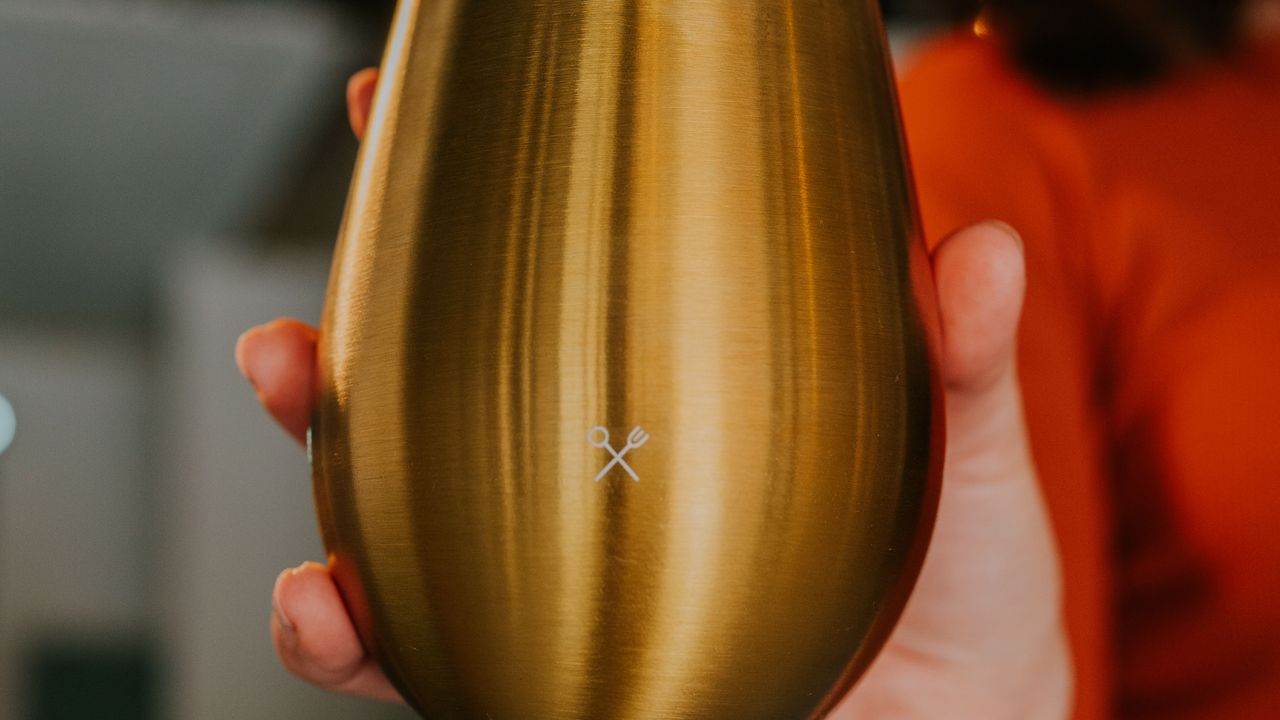
The shape of a wine glass has been studied and debated for centuries, and the conclusions that emerged from that process — that rim diameter, bowl geometry, and the angle at which liquid contacts the lip all affect how wine is perceived — apply equally to insulated tumblers. The difference is that wine tumblers are bought primarily for practicality: they keep wine at the right temperature outdoors, they don’t shatter on a patio, and they’re easier to hold than a stemmed glass. When rim design is treated as a secondary consideration behind durability and insulation performance, the result is a tumbler that checks the functional boxes but delivers a drinking experience that falls short of what the product could offer.
What rim diameter actually does
The diameter of the opening determines how wine flows onto the palate and how much of the wine’s surface is exposed to air before the liquid reaches the lips. A wider opening allows more liquid to contact the front and sides of the tongue simultaneously, which affects how different taste elements — acidity, tannin, sweetness — are initially perceived. A narrower opening directs the flow more centrally, which delivers more of the wine’s aromatic character through the back of the mouth toward the palate.
For red wines, a wider rim diameter tends to work better because reds generally benefit from broader tongue contact and benefit less from concentrating aromatics in the nose of a traditional glass. A rim diameter in the 65–75mm range provides a drinking experience closer to a traditional red wine glass than a narrow tumbler. For white wines and sparkling wines, a slightly narrower opening — 55–65mm — preserves aromatics more effectively and suits the cooler serving temperature at which these wines are typically consumed.
Stainless steel tumblers that use a single diameter across all wine applications are making a compromise that works reasonably well for most wines without being ideal for any. Buyers selecting tumblers for a wine-specific use case should pay attention to whether the manufacturer offers different opening diameters, or whether the product line is built around a single shape optimized for general-purpose drinking rather than wine specifically.
The role of rim curve
A wine tumbler’s rim can be straight — the opening diameter is the same as the diameter just below it — or it can be slightly inward-curving (a closed rim) or outward-flaring (an open rim). This detail has a surprisingly large effect on how the wine is delivered.
A straight rim is neutral. The wine flows over the edge uniformly, and the drinking experience is determined primarily by the diameter and the angle at which the user tilts the vessel. This is the most common design in stainless steel tumblers because it’s the simplest to manufacture with consistent dimensions.
A slightly inward-curving rim slows the flow slightly and concentrates the aromatics that rise from the wine’s surface, pushing them toward the nose as the user drinks. This is the same principle that underlies the closed rim of a traditional burgundy glass, and it works for the same reasons with a tumbler. The practical effect is noticeable when drinking an aromatic red or white — the wine smells more of itself, which is generally desirable.
A flared or outward-opening rim has the opposite effect: it spreads the aromatic compounds away from the nose and delivers the wine across a broader area of the lips. This design is more common in sparkling wine flutes, where the goal is to allow carbonation to dissipate slightly before the wine reaches the nose. For still wines, it tends to emphasize alcohol and reduce perceived complexity.
How insulation geometry complicates rim design
Traditional wine glasses can have very thin, finely formed rims because they’re made from glass and the rim is a simple edge. Stainless steel tumblers have wall thickness that’s inherent to the double-wall vacuum construction — typically 0.8mm to 1.0mm per wall. The rim of a stainless tumbler is therefore always at minimum 1.6mm thick, usually more if the top edge is rolled or folded for durability.
This wall thickness affects how the rim feels against the lips. A thicker rim creates a more noticeable barrier between the user’s mouth and the wine, which is a tactile experience that most wine drinkers associate with drinking from a can or a vessel that isn’t designed for the purpose. Some manufacturers address this by thinning and refining the top edge — a process that requires additional machining or forming steps — which results in a rim that’s noticeably more pleasant to drink from.
For buyers evaluating tumbler options, this is a detail worth checking in person with a sample rather than from a specification sheet. Run a finger around the inside of the rim edge and assess whether it feels refined or industrial. Hold the tumbler to the lips as if drinking and note whether the rim is an obstacle or simply present. The difference between a thoughtfully finished rim and a standard rolled edge is immediately apparent when you’re actually holding the tumbler.
Stem versus stemless: a practical note for bulk buyers
Traditional wine glasses have stems because they allow the drinker to hold the glass without warming the wine. Insulated tumblers solve the temperature retention problem through vacuum insulation rather than geometry, which means the stemless format works equally well from a thermal standpoint. But the way a user holds a stemless tumbler is different from how they hold a stemmed glass — they grip the body, which means the size of the body matters for comfort.
A body diameter that is comfortable for most adult hands in a relaxed grip is typically 70–80mm. Narrower than this and the tumbler feels like a cup; wider and it’s difficult to hold one-handed. The relationship between body diameter, rim diameter, and the taper from body to rim affects both the aesthetic proportions and the grip experience, and tumblers that have been designed with these relationships in mind tend to feel more intentional than those where the dimensions were set by manufacturing convenience.
Buyers sourcing bulk wine tumblers for wine-specific applications — a winery’s gift shop, a wine event, a hospitality program — benefit from requesting samples in the range they’re considering and drinking from them, ideally with actual wine, before committing to a volume order. The difference between a tumbler designed around the drinking experience and one designed around manufacturing efficiency is apparent the first time you use them, and it’s not apparent from a product photograph.